
Political Turmoil from Tariff Ruling Poses Risks to Crypto Industry’s Legislative Agenda
The Supreme Court’s invalidation of Trump’s tariffs under emergency powers could divert attention from crypto priorities, potentially empowering anti-crypto voices in Congress. What to know:
The 6-3 Supreme Court decision strikes down tariffs imposed via IEEPA, but Trump swiftly enacts a new 10% global tariff using Section 122, fueling ongoing economic debates. Crypto stakeholders worry that the controversy will consume political capital needed for advancing bills like the Digital Asset Market Clarity Act before midterms. A Democratic surge in congressional elections, bolstered by anti-tariff sentiment, might lead to tougher regulations on digital assets, as highlighted by critics like Sen. Elizabeth Warren.
The U.S. Supreme Court’s landmark 6-3 ruling on Friday declared President Donald Trump’s use of the International Emergency Economic Powers Act (IEEPA) to impose sweeping global tariffs unlawful, marking a significant check on executive authority. While the decision initially sparked market optimism by potentially easing inflationary pressures, the administration’s rapid pivot to a new 10% tariff under Section 122 has reignited uncertainty, with implications extending to the cryptocurrency sector.
Chief Justice John Roberts, writing for the majority, emphasized that IEEPA does not authorize tariffs, a power constitutionally reserved for Congress. The ruling opens the door to refund claims estimated at $130 billion to $175 billion for importers who paid the duties, though the process could involve protracted litigation, burdening smaller businesses. Think tanks like the Tax Foundation and Cato Institute have called for streamlined refunds, warning of economic fallout if unresolved.
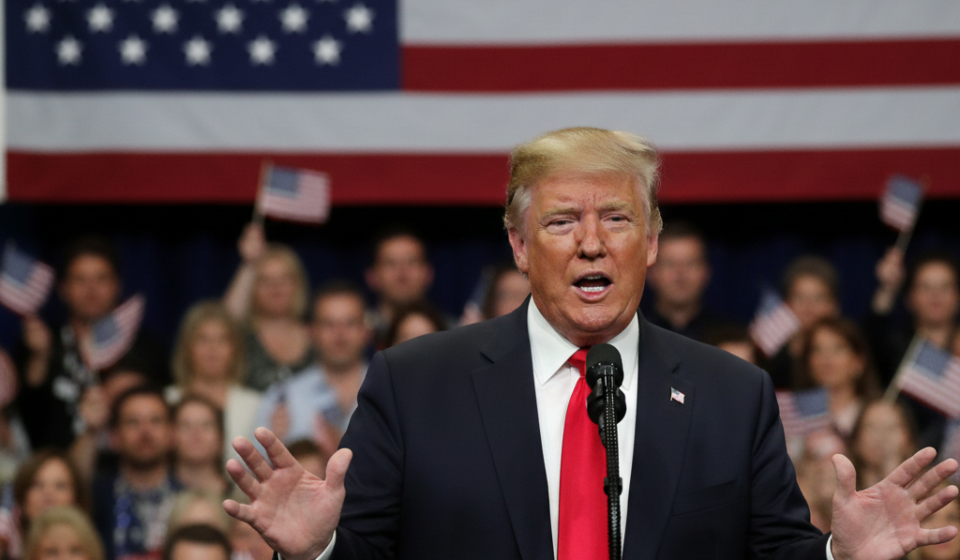
Trump, undeterred, denounced the decision as “terrible” and “deeply disappointing,” vowing to utilize alternative statutes for trade enforcement. At a press conference, he announced the immediate implementation of the new tariff, effective in days, to replace the invalidated ones. This move has drawn bipartisan reactions: Republican Sen. Bernie Moreno criticized the court for “handcuffing” efforts against unfair trade, while Democrat Sen. Elizabeth Warren hailed the ruling but lamented the lack of consumer refunds, accusing corporations of pocketing potential rebates.
For the crypto industry, the real sting may lie in the political arena rather than immediate market fluctuations. Bitcoin (BTC) $67,852.62 briefly surged above $68,000 on the news before settling, reflecting a modest relief rally amid broader risk asset gains. However, analysts like Tom Lee suggest the ruling could prompt Federal Reserve rate cuts by softening inflation, creating a bullish environment for equities and crypto.
The tariff saga is poised to dominate midterm election narratives, potentially boosting Democrats who frame the policies as harmful to consumers. If Democrats regain House control, progress on pro-crypto legislation—such as the Digital Asset Market Clarity Act, aimed at providing regulatory structure for digital assets—could stall or face amendments imposing stricter oversight. Industry advocates, including those aligned with Moreno, express concern that the debate will siphon Senate floor time from crypto priorities.
Even if the Clarity Act passes pre-election, other crypto-related issues like taxation reforms and Bitcoin reserves could be jeopardized by a shifted congressional balance. As one X user noted, the ruling underscores a “power struggle” over trade that could ripple into global markets, including crypto. With elections approaching, the industry’s fate may hinge on whether tariff fallout galvanizes voters toward change, potentially empowering figures like Warren to shape a more constrained regulatory landscape.