How to Mint Your First NFT: A Step-by-Step 2026 Guide
How to Mint Your First NFT in 2026: Step-by-Step Beginner’s Guide
If you’ve been watching the digital world evolve over the last few years, you know that NFTs (Non-Fungible Tokens) have shifted from being a niche crypto trend to a staple of the creator economy. By 2026, the technology has become more accessible, eco-friendly, and integrated into our daily digital lives than ever before.
Table Of Content
- What Does “Minting” Actually Mean?
- Step 1: Choose Your Blockchain and Marketplace
- Step 2: Set Up a Digital Wallet
- Step 3: Prepare Your Digital File
- Step 4: Minting Your First NFT (Free & Cheap Options)
- Option A: Lazy Minting (The Free Choice)
- Option B: Layer 2 Minting (The Cheap Choice)
- Step 5: Safety Tips for the 2026 Landscape
- Summary Checklist for Beginners
Whether you are an artist, a musician, or just someone curious about the technology, “minting” your first NFT is no longer a complex task reserved for tech wizards. This guide will walk you through the process of minting your first NFT in 2026, with a focus on free and cheap options, as well as essential safety tips to keep your assets secure.
What Does “Minting” Actually Mean?
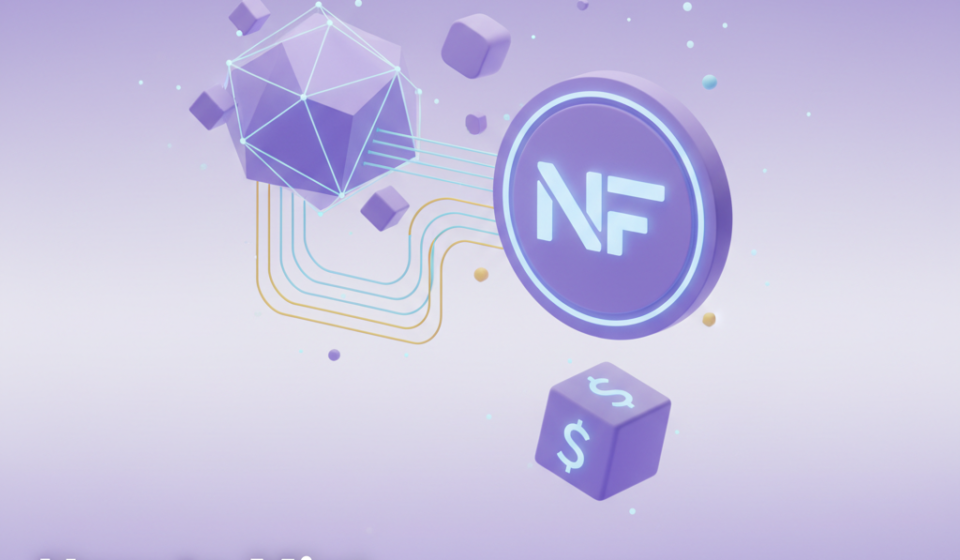
Before we dive into the “how,” let’s clarify the “what.” Minting is the process of publishing your unique digital asset on a blockchain so that it can be bought, sold, or traded.
Think of it like registering a deed for a house. The house (your art, music, or file) exists, but the “minting” process creates the official, tamper-proof record that proves you are the original creator and owner. In 2026, most major blockchains use “Proof of Stake” systems, meaning minting an NFT now uses about as much energy as sending an email—a massive improvement from the early days.
Step 1: Choose Your Blockchain and Marketplace
The “where” is just as important as the “what.” In 2026, several ecosystems lead the pack. Your choice will depend on whether you want to prioritize low fees, a large audience, or environmental sustainability.
- Ethereum (Layer 2s): While Ethereum is the most famous, beginners in 2026 typically use Layer 2 scaling solutions like Polygon, Arbitrum, or Base. These offer the security of Ethereum but with “gas fees” (transaction costs) that are often less than a dollar.
- Solana: Known for being incredibly fast and ultra-cheap. Minting here usually costs pennies.
- Social Marketplaces: Platforms like OpenSea and Magic Eden remain leaders, but many creators now mint directly through social media integrated wallets on platforms like Instagram or X (formerly Twitter).
Step 2: Set Up a Digital Wallet
To interact with the blockchain, you need a digital wallet. This isn’t just where you store money; it’s your digital ID.
- Download a Wallet: MetaMask and Phantom remain the industry standards. They are available as browser extensions and mobile apps.
- Secure Your Seed Phrase: This is the most critical step. Your wallet will give you a 12 or 24-word “recovery phrase.” Never share this with anyone. Write it down on physical paper and store it in a safe place. If you lose this phrase, you lose your NFTs and funds forever.
- Add Some Funds: Even for “free” options, you often need a tiny amount of the network’s native token (like ETH or SOL) to verify the transaction. You can buy a small amount directly within the wallet app.
Step 3: Prepare Your Digital File
You can turn almost any digital file into an NFT. However, for a successful first mint, keep these quality standards in mind:
- Visuals: High-resolution JPEGs, PNGs, or SVGs.
- Video/Audio: MP4s or MP3s are standard.
- Metadata: Think of a title, a compelling description, and any “properties” (like rarity traits) you want to include.
Step 4: Minting Your First NFT (Free & Cheap Options)
Many beginners are worried about high costs. Fortunately, by 2026, “Lazy Minting” and “Gasless Minting” have become standard features.
Option A: Lazy Minting (The Free Choice)
Platforms like OpenSea allow for “lazy minting.” In this scenario, your NFT isn’t actually written to the blockchain until someone buys it.
- Pros: Zero upfront cost.
- Cons: The “minting” technically happens at the moment of sale, which sometimes means the buyer pays the gas fee.
Option B: Layer 2 Minting (The Cheap Choice)
Using a network like Polygon or Base is the best middle ground.
- Connect your wallet to the marketplace.
- Click “Create” or “Mint.”
- Upload your file and fill in the details.
- Select your preferred low-fee network.
- Click “Mint” and sign the transaction in your wallet. The fee will likely be between $0.05 and $0.50.
Step 5: Safety Tips for the 2026 Landscape
The NFT space moves fast, and while the technology has matured, scammers are still around. To stay safe:
- Avoid Random “Drains”: Never click on links in unsolicited DMs (Direct Messages) claiming you’ve won a free NFT.
- Use a “Burner” Wallet: For experimental mints or connecting to new, unverified sites, use a secondary wallet that doesn’t hold your main funds.
- Verify the Contract: Before buying or minting on a new platform, check the community’s official social media channels to ensure you are on the correct URL.
- Cold Storage: If your NFT becomes valuable, move it to a “cold wallet” (a hardware device like a Ledger or Trezor) that stays disconnected from the internet.
Summary Checklist for Beginners
To recap, here is your path to becoming an NFT creator:
- [ ] Create a digital file (art, music, or collectible).
- [ ] Set up a wallet (MetaMask or Phantom) and secure your seed phrase.
- [ ] Choose a marketplace (OpenSea, Magic Eden, or a social-integrated platform).
- [ ] Select a low-fee blockchain (Polygon, Solana, or Base).
- [ ] Upload your file, add metadata, and “Sign” the transaction.
- [ ] Promote your work on social media to build a community.
Minting your first NFT in 2026 is an exciting way to join the future of digital ownership. By starting with low-cost options and prioritizing your security, you can explore this creative frontier without breaking the bank. Happy minting!