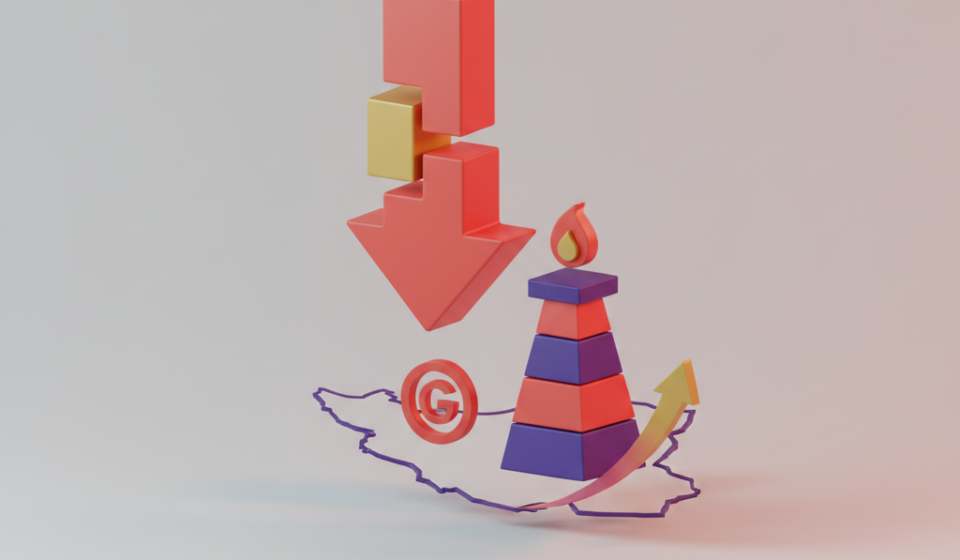
Global Shares Fall as Iran War Fears Drive Oil Prices Higher
Global Shares Slumped as Iran War Fears Grip Markets and Oil Prices Surge
The world woke up to another brutal day on the trading floor. Global shares slumped for a third straight session on Friday, with investors scrambling for safety as the rapidly escalating conflict in the Middle East sent shockwaves through every corner of the financial world. What started as a tense standoff has now evolved into a full-blown crisis — and the markets are feeling every bit of it.
Table Of Content
- A Third Week of Losses — And Counting
- Iran Attacks Oil Refinery in Kuwait
- Israel Kills Iran’s Revolutionary Guards Spokesman
- Thousands of Additional U.S. Troops Headed to the Middle East
- Iraq Declares Force Majeure on Oilfields
- Why the Strait of Hormuz Matters
- What Force Majeure Means for Oil Companies
- What This Means for Inflation and Central Banks
- Key economic risks to watch
- How Investors Are Responding
- What Comes Next?
- The Bottom Line
Let’s break down what’s happening, why it matters, and what could come next.
A Third Week of Losses — And Counting
It’s been a punishing stretch for investors. Global shares were poised for a third consecutive weekly decline on Friday, a streak that reflects deepening anxiety about the geopolitical landscape and its economic consequences.
Bond yields climbed sharply as traders priced in the growing risk that prolonged conflict in the Middle East would keep upward pressure on oil prices and, in turn, spark a new wave of inflation. For central banks that have spent the better part of two years trying to tame rising prices, this is the nightmare scenario.
The sell-off hasn’t been limited to one region or one asset class. We’re seeing red across:
- U.S. equities, with major indices falling in premarket trading
- European markets, where energy-dependent economies face the steepest risks
- Asian stocks, which closed lower overnight as the news cycle worsened
- Government bonds, with yields surging on inflation fears
It’s the kind of broad, indiscriminate selling that happens when uncertainty takes the wheel.
Iran Attacks Oil Refinery in Kuwait
The most alarming escalation came when Iran attacked an oil refinery in Kuwait on Friday. This marked a significant widening of the conflict beyond the borders of Iran and Israel, pulling a key Gulf oil producer into the crossfire.
Kuwait, a member of OPEC and a critical player in global energy supply, has long been considered a relatively stable presence in the region. An attack on its infrastructure sends a clear message: no one in the Gulf is immune from the fallout.
The strike immediately sent oil futures surging, with Brent crude jumping several percentage points in early trading. Energy traders, who had already been on edge, are now scrambling to assess just how much supply could be at risk.
Israel Kills Iran’s Revolutionary Guards Spokesman
In a parallel development, Israel killed a spokesman of Iran’s Revolutionary Guards, further inflaming tensions between the two nations. The move is likely to provoke a fierce response from Tehran, which has repeatedly vowed retaliation for any targeting of its military leadership.
This tit-for-tat pattern is exactly what markets have feared. Each escalation narrows the path toward de-escalation and increases the odds of a prolonged, multi-front conflict. For investors, that translates directly into risk — and right now, nobody wants to be caught holding it.
Thousands of Additional U.S. Troops Headed to the Middle East
Adding another layer of gravity to the situation, three U.S. officials told Reuters that thousands of additional U.S. troops will be deployed to the Middle East. This isn’t just posturing. Troop deployments of this scale signal that Washington is preparing for a sustained military commitment in the region.
The implications are enormous:
- Increased defense spending could put further strain on an already stretched U.S. budget
- Greater risk of direct U.S.-Iran confrontation raises the stakes exponentially
- Allied nations may be pulled into the conflict, broadening its scope
For the markets, the deployment confirms that this crisis isn’t going to resolve itself quickly. Investors are adjusting their portfolios accordingly, moving into traditional safe havens like gold, the U.S. dollar, and Swiss franc.
Iraq Declares Force Majeure on Oilfields
Perhaps the most economically consequential development is Iraq’s decision to declare force majeure on all oilfields developed by foreign oil companies. According to oil ministry sources, military operations in the region have disrupted navigation through the Strait of Hormuz, preventing most of the country’s crude exports from moving.
This is a seismic event for global energy markets. Let’s put it in perspective.
Why the Strait of Hormuz Matters
The Strait of Hormuz is the world’s most important oil chokepoint. Roughly 20% of the world’s petroleum passes through this narrow waterway every single day. When navigation through the strait is disrupted, it doesn’t just affect Iraq — it threatens the entire global supply chain for crude oil.
Iraq is OPEC’s second-largest producer, pumping around 4.5 million barrels per day. With most of those exports now unable to move, the world is facing a supply shock that could dwarf anything seen in recent memory.
What Force Majeure Means for Oil Companies
When a country declares force majeure, it’s essentially saying that extraordinary circumstances beyond its control have made it impossible to fulfill contractual obligations. For the foreign oil companies operating in Iraq — including some of the world’s largest — this means:
- Operations are effectively frozen until conditions improve
- Revenue streams are cut off, impacting quarterly earnings
- Insurance claims and legal disputes are likely to follow
- Long-term investment plans in the region may be reconsidered entirely
The ripple effects will extend far beyond Iraq’s borders.
What This Means for Inflation and Central Banks
Here’s where the economic rubber meets the road. Oil is the lifeblood of the global economy. When prices spike due to supply disruptions, the cost of everything — from gasoline to groceries to manufactured goods — goes up.
Central banks, particularly the Federal Reserve and the European Central Bank, now find themselves in an incredibly difficult position. They’ve been signaling potential rate cuts as inflation appeared to be cooling. But a sustained surge in oil prices could reignite inflationary pressures, forcing them to keep rates higher for longer.
This is the worst possible timing. Many economies were already showing signs of slowing growth. Higher energy costs combined with elevated interest rates could tip vulnerable economies into recession — a scenario economists call “stagflation.”
Key economic risks to watch:
- Consumer spending could decline as fuel and energy bills rise
- Manufacturing costs will increase, squeezing corporate margins
- Transportation and logistics become more expensive across the board
- Emerging markets that are net oil importers face currency and fiscal crises
How Investors Are Responding
The flight to safety is well underway. Here’s what we’re seeing across asset classes:
- Gold is surging, with prices hitting multi-month highs as investors seek shelter
- The U.S. dollar is strengthening against most major currencies
- Oil futures are experiencing extreme volatility, with massive intraday swings
- Tech and growth stocks are under heavy selling pressure as risk appetite evaporates
- Defense stocks are among the few bright spots, rising on expectations of increased military spending
Volatility indices like the VIX have spiked sharply, reflecting the elevated level of fear in the market. This is not a time for complacency.
What Comes Next?
Predicting the trajectory of a military conflict is inherently uncertain, but here are the key scenarios markets are watching:
Scenario 1: Escalation continues. If the conflict widens further — pulling in additional countries or resulting in sustained closure of the Strait of Hormuz — we could see oil prices spike well above $120 per barrel. Global shares would likely continue their decline, and recession fears would intensify.
Scenario 2: Diplomatic intervention. If international mediators, potentially through the UN or back-channel negotiations, manage to broker a ceasefire or at least contain the conflict, markets could stabilize. This would require significant concessions from multiple parties and seems unlikely in the short term.
Scenario 3: Prolonged stalemate. The most probable near-term outcome may be a messy, drawn-out conflict that keeps markets on edge without triggering a full-scale global economic crisis. In this scenario, oil prices remain elevated but not catastrophic, and global shares experience continued volatility without a complete collapse.
The Bottom Line
We’re living through one of the most significant geopolitical and economic disruptions in recent years. Global shares slumped for a third straight session because the risks are real, tangible, and growing. The attack on Kuwait’s oil refinery, the disruption of the Strait of Hormuz, Iraq’s force majeure declaration, and the deployment of thousands of U.S. troops all point in the same direction — this crisis is deepening.
For everyday people, the most immediate impact will be felt at the gas pump and the grocery store. For investors, it’s a time to stay informed, manage risk carefully, and resist the urge to make emotional decisions.
The coming days and weeks will be critical. Stay tuned, stay cautious, and keep