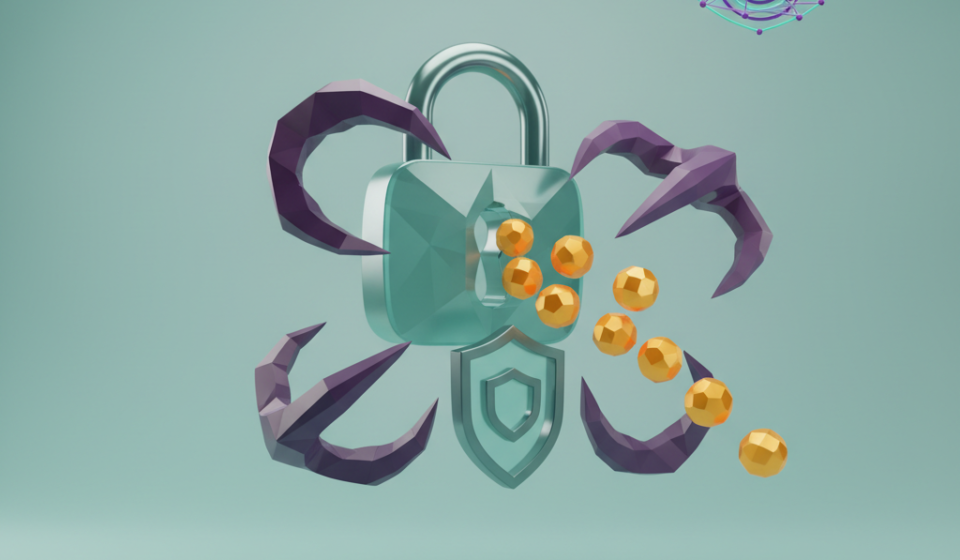
How Scammers Target Your Seed Phrase in 2026
Your Seed Phrase Is Already Being Targeted in 2026 — New Tricks Scammers Use Right Now
If you’ve been in crypto for a while, you probably think you know the basics. Don’t share your seed phrase. Don’t click suspicious links. Keep your keys offline.
Table Of Content
- Why Seed Phrases Are Still the #1 Target
- The New Tricks You Need to Know About
- 1. AI-Powered Phishing That Sounds Exactly Like You
- 2. Fake Recovery Tools and “Security Audits”
- 3. Clipboard Hijacking Malware
- 4. Social Engineering Through Fake Customer Support
- 5. Physical Seed Phrase Theft Is on the Rise
- 6. Deepfake Video Calls
- How to Protect Your Seed Phrase in 2026
- The Mindset Shift That Matters Most
- Final Thoughts
But here’s the uncomfortable truth: scammers in 2026 aren’t playing by the old rules anymore. They’ve evolved — and many of the new tactics are so sophisticated that even experienced holders are falling victim.
Let’s talk about what’s actually happening right now, how these new tricks work, and what you can do to stay one step ahead.
Why Seed Phrases Are Still the #1 Target
Your seed phrase is the master key to everything. Whoever has those 12 or 24 words controls your wallet, your tokens, your NFTs — all of it. There’s no customer support to call. No “forgot password” button. No reversals.
That’s exactly why scammers pour so much energy into getting those words. And in 2026, the methods have gotten disturbingly creative.
The New Tricks You Need to Know About
1. AI-Powered Phishing That Sounds Exactly Like You
Remember the generic phishing emails full of typos? Those days are over.
Scammers are now using AI tools to scrape your social media, Discord messages, and forum posts. They build a profile of how you communicate — your tone, your slang, even your emoji habits — and then impersonate people you trust.
Imagine getting a DM from what looks like your buddy in a trading group, using the exact same casual tone they always use, asking you to “verify your wallet” through a link. It feels real because the language is real — it’s just not coming from who you think.
What to do: Always verify through a separate channel. If someone DMs you something sensitive, call them. Text them on a different platform. Don’t trust the conversation thread alone.
2. Fake Recovery Tools and “Security Audits”
This one is exploding in 2026. Here’s how it works:
- You see a post or ad warning about a new wallet vulnerability
- It directs you to a “security tool” or “seed phrase checker” that claims to verify if your wallet has been compromised
- You enter your seed phrase to “check” it
- Your funds are gone within seconds
Some of these tools look incredibly professional. They have polished websites, fake reviews, and even fabricated endorsements from well-known figures in the crypto space.
The golden rule: No legitimate tool, service, or company will ever ask you to input your seed phrase. Period. If anything asks for it, it’s a scam. Every single time.
3. Clipboard Hijacking Malware
This one is sneaky because you might never even realize it happened.
Malware installed on your device — sometimes through a seemingly harmless browser extension or app — monitors your clipboard. The moment you copy a seed phrase or wallet address, it swaps it with the attacker’s information.
You think you’re pasting your own address. You’re actually sending funds to a thief.
What to do:
- Regularly audit your browser extensions and remove anything you don’t actively use
- Use a dedicated device for crypto transactions when possible
- Always double-check the first and last several characters of any address you paste
4. Social Engineering Through Fake Customer Support
Scammers are setting up fake support channels on Telegram, Discord, and even X (Twitter). They create accounts that look almost identical to official wallet or exchange support teams.
When you post a question or complaint publicly — say you’re having trouble with a transaction — they swoop in within minutes. They’re friendly, helpful, and patient. They walk you through “troubleshooting steps” that eventually lead to one thing: entering your seed phrase.
Some are even running fake support websites with live chat features that feel completely legitimate.
What to do: Official support teams will never DM you first. Bookmark the real support pages for any wallets or exchanges you use, and only access support through those bookmarked links.
5. Physical Seed Phrase Theft Is on the Rise
Not every attack happens online.
There’s been a noticeable uptick in physical theft targeting crypto holders. This includes:
- Break-ins where thieves specifically look for written seed phrases in home offices, safes, or desk drawers
- “Shoulder surfing” in public places where someone watches you access your wallet
- Social situations where someone gains your trust over time and eventually gets physical access to your backup
Some people have even reported receiving fake hardware wallets in the mail — pre-loaded with malware — disguised as replacements or promotional items from well-known brands.
What to do:
- Store your seed phrase in a secure, non-obvious location
- Consider using a metal backup that’s fire and water-resistant
- Never accept unsolicited hardware wallets
- Be cautious about who knows you hold significant crypto
6. Deepfake Video Calls
Yes, this is really happening.
Scammers are using deepfake technology to impersonate people on video calls. They might pose as a project founder, a financial advisor, or even a friend. The video looks real enough to fool most people, especially in a short call.
The goal? Build trust fast enough to get you to take an action — clicking a link, connecting your wallet to a malicious site, or in some cases, directly sharing sensitive information.
What to do: Be skeptical of unexpected video calls, especially ones involving urgent financial decisions. Establish verification protocols with people you do business with — a code word, a specific question, anything that can’t be faked.
How to Protect Your Seed Phrase in 2026
Let’s bring it all together with a practical checklist:
- Never type your seed phrase into any website, app, or form. There are zero legitimate reasons to do this.
- Use a hardware wallet from a trusted manufacturer, purchased directly from the official source.
- Store backups offline in secure, separate locations. Consider splitting your phrase using methods like Shamir’s Secret Sharing.
- Enable every layer of security available — biometrics, 2FA (preferably not SMS-based), and passkeys where supported.
- Keep your devices clean. Update your OS, run reputable security software, and minimize the number of apps and extensions you install.
- Stay skeptical. If something feels off — even slightly — pause. Verify. Take your time. Urgency is the scammer’s best friend.
- Educate the people around you. If your family members or friends know you’re in crypto, they could be targeted as an indirect path to you.
The Mindset Shift That Matters Most
Here’s what I really want you to take away from this.
The biggest vulnerability in 2026 isn’t your wallet software. It isn’t your hardware. It’s the moment you let your guard down.
Scammers are banking on the fact that you’re busy, distracted, or just trusting enough to skip a verification step. They design their attacks around human behavior, not just technology.
The best defense isn’t a single tool or trick. It’s a habit of healthy paranoia. Question everything. Verify independently. And never, ever let anyone — no matter how legitimate they seem — pressure you into acting fast with your seed phrase.
Final Thoughts
Crypto gives you true ownership of your assets. That’s powerful. But it also means you are your own last line of defense.
The scammers of 2026 are smarter, faster, and more creative than ever before. They’re using AI, deepfakes, malware, and good old-fashioned social engineering in combinations we haven’t seen before.
But you can stay ahead. Stay informed. Stay cautious. And treat your seed phrase like what it is — the single most valuable piece of information you own.
Because once it’s gone, it’s gone for good.